
Premium IPTV: Quality Streaming Without Compromise

As you consider upgrading your viewing experience, you're likely familiar with the limitations of traditional streaming services. You've probably encountered buffering, poor video quality, and limited content options. But what if you could access high-quality streams with 4K resolution, low latency, and a vast array of channels and on-demand content? This is where Premium IPTV comes in – a streaming solution that promises to deliver a top-notch entertainment experience without compromise. But what exactly sets Premium IPTV apart, and how can you ensure you're getting the most out of this advanced streaming technology? beast iptv.

What Is Premium IPTV

You're likely familiar with traditional TV viewing, but have you ever wondered what premium IPTV is. In simple terms, IPTV stands for Internet Protocol Television. It's a method of delivering TV content over the internet, rather than through traditional satellite or cable systems.

Premium IPTV takes this concept to the next level by offering high-quality streams, often with features like 4K resolution and low latency.

Premium IPTV services typically use advanced streaming technologies to ensure a smooth viewing experience. They often partner with content providers to offer a wide range of channels and on-demand content.

This can include popular TV shows, movies, sports, and more. One of the main advantages of premium IPTV is its flexibility – you can watch your favorite shows on a variety of devices, from smartphones to smart TVs.

With premium IPTV, you're not limited by geographical restrictions or tied to a specific TV provider. This makes it an attractive option for those who want to access a wide range of content without the hassle of traditional TV viewing.

Key Features and Benefits

The seamless fusion of internet and television has given rise to premium IPTV's key features, making it an attractive option for those seeking flexibility in their viewing experience. You get to enjoy on-demand content, allowing you to watch your favorite shows and movies at any time.

Premium IPTV also provides you with the ability to record and pause live TV, giving you complete control over what and when you watch.

Another key feature is the availability of multiple channels and genres, catering to diverse tastes and preferences.

With premium IPTV, you can access a wide range of international channels, sports, and entertainment options, making it perfect for those who enjoy exploring different cultures and interests.

Additionally, you can enjoy high-definition (HD) streaming with minimal buffering, ensuring a seamless viewing experience.

Premium IPTV also offers parental control features, allowing you to restrict access to certain channels and content, making it a great option for families.

Furthermore, you can access premium IPTV on multiple devices, including smartphones, tablets, and smart TVs, making it easy to watch your favorite shows anywhere, anytime.

Top IPTV Service Providers

Several top-notch IPTV service providers have emerged, offering a wide range of premium IPTV services. You can choose from popular providers like Express IPTV, Strong IPTV, and IPTV Trends.

These companies have established a strong reputation for delivering high-quality IPTV services with extensive channel lineups, stable connections, and user-friendly interfaces.

When selecting a top IPTV service provider, consider factors such as channel selection, content quality, and pricing.

Top providers usually offer a wide range of channels, including international and local options, as well as on-demand content like movies and TV shows.

It's also crucial to check the compatibility of the service with your device, whether it's a smart TV, tablet, or smartphone.

You should also research each provider's customer support and server reliability.

A reliable IPTV service provider should have a strong server infrastructure to minimize downtime and buffering.

Look for providers that offer 24/7 customer support and have a good track record of resolving technical issues promptly.

Enhanced Viewing Experience

Once you've chosen a top-notch IPTV service provider, it's time to focus on getting the most out of your premium IPTV services. You'll want to ensure that your viewing experience is nothing short of exceptional.

To achieve this, consider investing in a high-quality streaming device that can fully support your IPTV service's features. Look for devices that offer 4K or 8K resolution, HDR support, and smooth playback.

Another crucial factor is your internet connection. A stable and fast internet speed is necessary for uninterrupted streaming.

Check your internet plan to ensure it meets the recommended speed requirements of your IPTV service. You should also consider using a wired connection instead of Wi-Fi to minimize buffering and lag.

Additionally, customize your IPTV experience by exploring the various features and settings available on your device and IPTV service.

Learn how to use parental controls, set up multiple profiles, and access exclusive content. By fine-tuning your setup and optimizing your equipment, you'll be able to enjoy a seamless and immersive viewing experience that enhances your premium IPTV services.

Future of Premium Streaming

Advancements in technology are rapidly changing the landscape of premium streaming. You're likely to see improvements in streaming quality, with resolutions reaching up to 8K and even 16K in the near future.

This means you'll enjoy an even more immersive viewing experience with crystal-clear images and reduced buffering.

Additionally, you can expect more personalization options, such as AI-powered content recommendations and customizable channel lineups. This will make it easier for you to find the content that interests you, saving you time and effort.

The future of premium streaming also holds a lot of promise for interactive content. You can expect more live events and sports broadcasts to incorporate interactive features, such as real-time polling and virtual reality experiences.

Furthermore, you may see a rise in niche streaming services catering to specific interests or demographics, giving you access to content that was previously hard to find.

Conclusion

You've experienced the best of IPTV with Premium IPTV's unparalleled viewing experience. With top-notch features and partnerships with content providers, you can enjoy high-quality streams, seamless playback, and a vast array of channels and on-demand content. As the future of streaming continues to evolve, Premium IPTV is poised to remain a leader, offering you the ultimate entertainment experience without compromise. You can expect even more innovative features and advancements in the years to come.

The Science Behind Epoxy: Why Its Perfect For Garages

When you're looking to metamorphose your garage into a serviceable and low-maintenance quad, epoxy coatings are often the go-to root. But what makes epoxy so hone for garages? It starts with its unique writing, consisting of a rosin and hardener that, when concerted, form a fresh roadblock that resists chemicals, scratches, and fading. As you consider this varied stuff for your service department, you 39;ll want to know more about its properties and how they make it an ideal selection for high-traffic areas. What exactly sets epoxy apart from other materials, and how does it hold up under various conditions? epoxy garage floor.

The Science Behind Epoxy: Why It's Perfect for Garages

When you mix two key components, a rosin and a hardener, you make ndash; a varied, high-strength adhesive material and finishing.

The rosin is typically made from a combination of monomers and oligomers, which are molecules that react with each other to form a strong bond. The hardener, on the other hand, contains a catalyst that initiates the chemical reaction between the rosin and itself.

The ratio of rosin to hardener is crucial in crucial the final examination properties of the . A normal ratio is 2:1 or 3:1, but it can vary depending on the craved application.

Some epoxies may also contain additives, such as fillers, pigments, or UV stabilizers, to raise their performance or appearance.

You can find in various forms, including liquidity, gel, or paste. Each form has its own unusual characteristics and uses. Liquid epoxies are often used for coating and molding, while gel epoxies are better suited for bonding and laminating. Paste epoxies, on the other hand, are commonly used for thick coatings and molding.

How Epoxy Coatings Work

When applying an coating to a rise up, you are essentially creating a strong, impenetrable barrier that 39;s tolerant to chemicals, scratches, and attenuation. This barrier is formed through a process called -linking, where the molecules in the rosin and hardener bind together to make a intolerant, three-dimensional social organization.

As you utilize the coating, it flows swimmingly and evenly, pick in any imperfections on the rise up.

Once the finishing has dry and vulcanised, it becomes a hard, durable film that 39;s tolerant to damage from chemicals, heavily foot dealings, and extreme temperatures.

The epoxy coating also has first-class attachment properties, which means it bonds strongly to the rise up, preventing it from desquamation or flaking off.

You can apply coatings to a variety show of surfaces, including concrete, metallic element, and wood.

They 39;re particularly well-suited for service department floors, where they can hold out the wear and tear of heavily vehicles and equipment.

Chemical Properties of Epoxy

Now that you've seen how epoxy coatings work, it 39;s time to look at the alchemy that makes them so operational.

Epoxy is a thermosetting polymer, meaning it cures when heat is practical. This curing work on involves a chemical substance reaction between the epoxy resin and a hardener, ensuant in a warm, three-dimensional -linked structure.

This structure is responsible for for 39;s excellent chemical resistance and bonding properties.

When you mix the rosin and hardener, they respond to form a warm valence bond. This bond is unbelievably stable, making epoxy tolerant to a wide range of chemicals, including acids, bases, and solvents.

The cross-linked social organization also provides superior adhesion to various surfaces, including , metal, and wood.

This is why coatings are often used in harsh environments, such as garages, where they 39;re uncovered to chemicals, oil, and grease.

The chemical substance properties of make it the hone choice for protecting your service department shock from and wear.

Epoxy's Mechanical Strength

Behind epoxy 39;s telling chemical properties lies its surpassing mechanical effectiveness, which makes it a go-to material for various heavy-duty and human action applications. When you use epoxy to a surface, you get a tempered, intolerant coating that can hold out heavily oodles and stresses. This is due to the fresh valence bonds formed between the rosin and hardener molecules during the solidifying work.

These bonds give epoxy its impressive stress potency, which is typically in the range of 5,000 to 10,000 pounds per square up inch(psi).

You 39;ll also note that epoxy exhibits excellent compressive effectiveness, with some formulations reach up to 20,000 psi. This means that can subscribe significant weight without deforming or crack.

Additionally, 39;s mechanical strength is complemented by its high scrape underground, qualification it an nonesuch material for high-traffic areas like garages.

When you combine these properties, you get a long-wearing, long-lasting finish that can withstand the wear and tear of use. This makes a nonclassical choice for applications where potency and durability are requisite.

Epoxy and Thermal Resistance

Durability isn 39;t the only key to 39;s general adoption ndash; its efficacious caloric underground also plays a substantial role. When you apply to your garage ball over, you don 39;t have to worry about it dishonorable or becoming brittle due to extreme point temperatures. Epoxy 39;s energy resistance allows it to hold out temperatures ranging from-22 deg;F to 140 deg;F(-30 deg;C to 60 deg;C), qualification it an nonpareil pick for garages that are subject to varying temperatures throughout the year.

You 39;ll also find that 39;s thermic underground helps keep it from shrinkage or expanding overly, which can lead to cracks and damage. This means that when you apply to your service department blow out of the water, it will maintain its integrity and continue serviceable even in the face of temperature fluctuations.

Additionally, epoxy 39;s thermic underground helps prevent the increase of mold and mold, which prosper in environments with high humidity and temperature fluctuations. By choosing epoxy for your service department take aback, you 39;re not only getting a serviceable and long-lasting end up, but also one that 39;s tolerant to the elements.

Conclusion

Now that you have implicit the unusual properties of epoxy, it's why it's perfect for garages. With its fresh, impenetrable barrier, epoxy resists chemicals, scratches, and fading. Its durability and caloric resistance make it nonsuch for high-traffic service department floors and surfaces. Overall, 39;s authorship and mechanical potency make it a top choice for garage surfaces that need to withstand varied temperatures and chemical exposure. Epoxy 39;s science-backed benefits make it a ache investment funds for any service department.

The Impact Of Technology On Mental Health

In recent years, the rapid advancement of technology has transformed every aspect of modern life, from how we communicate to how we work and entertain ourselves. While these changes have brought numerous benefits, they have also raised concerns about their effects on mental health. This article explores the dual-edged impact of technology on our well-being, examining both the positive and negative aspects.

The Positive Influence of Technology

Technology has revolutionized the way we access information and support for mental health. Online platforms have made mental health resources more accessible than ever before. Apps and websites offer a range of services from guided meditation and cognitive-behavioral therapy to mood tracking and online counseling. These tools provide individuals with immediate support and resources that can help manage stress, anxiety, and depression.

Moreover, technology has facilitated the rise of teletherapy, which allows people to receive therapy from the comfort of their homes. This has made mental health care more accessible, especially for those in remote areas or with mobility issues. Virtual support groups and forums also enable individuals to connect with others facing similar challenges, fostering a sense of community and support.

Social Media and Connection

Social media platforms have transformed the way we connect with others. They provide a space for maintaining relationships, sharing experiences, and finding communities of like-minded individuals. For many, these connections can be a source of emotional support and belonging. Online communities can offer validation and understanding that might be difficult to find in person.

However, the impact of social media on mental health is complex. On one hand, it can enhance social connections and provide a platform for self-expression. On the other hand, it can also contribute to feelings of inadequacy and isolation. The constant comparison to curated images of others’ lives can lead to a distorted sense of reality and contribute to anxiety and depression. The pressure to present a perfect image online can also exacerbate these issues.

The Downsides of Digital Overload

One of the most significant challenges associated with technology is digital overload. The constant influx of information from multiple sources, including news feeds, notifications, and emails, can lead to information fatigue and stress. This constant stimulation can make it difficult to focus and may contribute to feelings of being overwhelmed.

The phenomenon of “screen addiction” is another concern. Excessive use of digital devices, particularly smartphones, has been linked to a range of negative mental health outcomes. Spending long hours on screens can disrupt sleep patterns, reduce physical activity, and lead to increased feelings of loneliness and depression. The addictive nature of social media and gaming can also contribute to the neglect of real-life responsibilities and relationships.

Cyberbullying and Online Harassment

The anonymity of the internet has given rise to cyberbullying and online harassment, which can have severe consequences for mental health. Individuals who experience online bullying may suffer from anxiety, depression, and low self-esteem. The lack of a safe space to retreat from these negative interactions can exacerbate the impact on mental well-being.

Additionally, the spread of misinformation and harmful content online can contribute to increased anxiety and fear. The constant exposure to negative news and online hostility can create a sense of unease and distrust, further affecting mental health.

Balancing Technology Use

Given the profound impact of technology on mental health, finding a balance is crucial. Setting boundaries around technology use, such as limiting screen time and taking regular breaks, can help mitigate some of the negative effects. Engaging in activities that promote well-being, such as physical exercise, mindfulness practices, and face-to-face interactions, can counterbalance the potential drawbacks of digital engagement.

Promoting digital literacy and awareness about the potential impacts of technology on mental health is also important. Educating individuals on how to use technology mindfully and seek help when needed can empower them to make informed choices about their digital lives.

Conclusion

Technology’s impact on mental health is multifaceted, with both positive and negative aspects. While it offers valuable resources and opportunities for connection, it also presents challenges that can affect well-being. By understanding and addressing these effects, we can harness the benefits of technology while mitigating its potential drawbacks, ultimately fostering a healthier relationship with the digital world.

E-commerce Technology Advancements

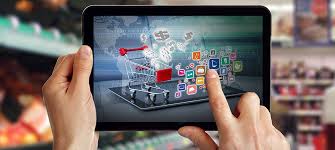
In recent years, e-commerce has undergone a dramatic transformation, driven by rapid technological advancements that enhance user experience, streamline operations, and open new business opportunities. From artificial intelligence to augmented reality, these technologies are reshaping how businesses and consumers interact in the digital marketplace.

Artificial Intelligence: The Game Changer

Artificial Intelligence (AI) is arguably the most significant technological advancement in e-commerce. AI algorithms are revolutionizing various aspects of the online shopping experience. Machine learning models analyze vast amounts of data to predict consumer behavior, personalize recommendations, and optimize pricing strategies. For example, AI-powered chatbots provide real-time customer support, answering queries and resolving issues around the clock. This not only improves customer satisfaction but also reduces the need for extensive human resources.

Moreover, AI-driven analytics tools help businesses understand customer preferences and purchasing patterns, enabling them to tailor their marketing strategies more effectively. Predictive analytics can forecast future sales trends, allowing companies to adjust inventory and marketing efforts proactively.

Augmented Reality: Bridging the Digital and Physical Worlds

Augmented Reality (AR) is another groundbreaking technology that is transforming e-commerce. AR creates immersive shopping experiences by overlaying digital information onto the real world through a smartphone or tablet. For instance, furniture retailers use AR to let customers visualize how a piece of furniture would look in their home before making a purchase. This not only enhances the shopping experience but also reduces the likelihood of returns, as customers have a clearer idea of what they are buying.

Similarly, AR is being used in fashion e-commerce to allow customers to virtually try on clothes and accessories. This technology helps consumers make more informed purchasing decisions and can significantly boost conversion rates.

Blockchain: Enhancing Security and Transparency

Blockchain technology, known for its role in cryptocurrency, is making waves in e-commerce by enhancing security and transparency. Blockchain’s decentralized nature ensures that transactions are recorded in an immutable ledger, reducing the risk of fraud and unauthorized alterations. This is particularly valuable for ensuring the authenticity of products and protecting consumer data.

In addition, blockchain can streamline supply chain management by providing a transparent record of every step a product takes from manufacturer to consumer. This traceability helps build trust with customers, as they can verify the origins and journey of the products they purchase.

Voice Commerce: The Rise of Conversational Shopping

Voice commerce, driven by advancements in natural language processing and voice recognition, is gaining traction as a new way to shop online. Voice assistants like Amazon’s Alexa, Google Assistant, and Apple’s Siri enable users to make purchases, track orders, and search for products using voice commands. This hands-free, conversational approach to shopping simplifies the process and makes it more accessible, especially for those who prefer voice interactions over typing.

As voice recognition technology improves, the integration of voice commerce with e-commerce platforms is expected to become more sophisticated. This includes the ability to understand complex queries, provide personalized recommendations, and facilitate seamless transactions.

5G Technology: Accelerating the Digital Experience

The advent of 5G technology is set to revolutionize e-commerce by offering significantly faster internet speeds and lower latency. This enhanced connectivity will enable smoother and more responsive online experiences, from high-definition video streaming to real-time updates on inventory and order status.

For e-commerce businesses, 5G opens up opportunities for more interactive and engaging content, such as live-streamed product demonstrations and virtual reality shopping experiences. Consumers will benefit from faster loading times, quicker transaction processing, and improved overall performance of e-commerce platforms.

Conclusion: Embracing the Future of E-commerce

The rapid advancement of technology continues to reshape the e-commerce landscape, offering new opportunities for businesses and enhancing the shopping experience for consumers. As AI, AR, blockchain, voice commerce, and 5G technologies evolve, they will further transform how products are bought and sold online. Embracing these innovations will be crucial for businesses aiming to stay competitive and meet the ever-changing demands of the digital marketplace.

Drawbacks Of Smart Devices

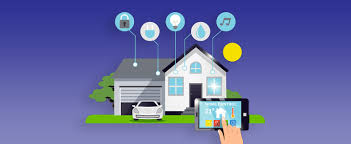
Smart devices have become ubiquitous in modern life, offering convenience and connectivity that have transformed daily routines. However, despite their many benefits, they come with a set of drawbacks that are important to consider. This article explores the potential downsides of smart devices, focusing on privacy concerns, security risks, and the impact on mental health and social interactions.

Privacy Concerns

One of the most significant issues associated with smart devices is the potential threat to personal privacy. Smart devices, such as smartphones, smart speakers, and smart home systems, often collect vast amounts of data about users’ habits, preferences, and even conversations. This data collection, while often intended to improve user experience and provide personalized services, can lead to significant privacy concerns. The data gathered by these devices may be used for targeted advertising, potentially leading to an invasion of personal privacy.

Moreover, the storage and handling of this data can be vulnerable to breaches. If a smart device’s data is compromised, sensitive personal information could be exposed to malicious actors. Users may inadvertently share more about their personal lives than they intend to, as many smart devices are always listening or monitoring, creating an ongoing record of their activities and preferences.

Security Risks

The security of smart devices is another major concern. Many smart devices are connected to the internet, which makes them susceptible to cyberattacks. Hackers can exploit vulnerabilities in these devices to gain unauthorized access to networks or personal information. For instance, smart home systems that control everything from lighting to security cameras can be targeted, potentially giving hackers control over home environments and compromising safety.

Furthermore, not all smart devices receive timely updates or patches to fix security vulnerabilities. Manufacturers may prioritize new features over security enhancements, leaving devices exposed to potential threats. This lack of uniformity in update practices can result in inconsistencies in the security of smart devices, making some more vulnerable than others.

Impact on Mental Health

The rise of smart devices has also been linked to negative impacts on mental health. Constant connectivity and the allure of social media and other apps can lead to increased screen time, which has been associated with various mental health issues. Excessive use of smart devices can contribute to feelings of anxiety, depression, and loneliness. The pressure to stay connected and respond promptly to notifications can also lead to stress and burnout.

Additionally, the design of many smart devices and apps often encourages addictive behavior. Features such as endless scrolling, frequent notifications, and gamified elements are designed to keep users engaged for longer periods. This can result in a compulsive use of technology, making it difficult for individuals to disconnect and engage in other aspects of life.

Effects on Social Interaction

Smart devices can also impact social interactions and relationships. While they provide platforms for staying in touch with friends and family, they can also lead to superficial interactions that lack depth. Face-to-face communication is often replaced with text messages or social media posts, which can reduce the quality of interpersonal relationships.

Moreover, the presence of smart devices during social gatherings can create a barrier between individuals. People may be more focused on their devices than on the people around them, leading to a decrease in meaningful conversation and engagement. This shift in focus can undermine the development of strong social bonds and affect the overall quality of personal relationships.

Dependency and Reliability Issues

The dependency on smart devices is another concern. As individuals become increasingly reliant on these technologies for everyday tasks, any malfunction or loss of access can have significant impacts. For example, if a smart home system fails, users may find themselves unable to control their home environment effectively. Similarly, reliance on digital assistants for reminders and information can create difficulties if the technology becomes unreliable or is temporarily unavailable.

Moreover, the convenience offered by smart devices can sometimes lead to a loss of essential skills. For instance, reliance on navigation apps may diminish one’s ability to navigate without digital assistance, while the use of voice-activated commands can reduce the practice of traditional problem-solving skills.

Conclusion

 While smart devices offer numerous benefits and conveniences, they also come with a range of drawbacks that merit consideration. Privacy concerns, security risks, impacts on mental health and social interactions, and issues of dependency and reliability are important factors to weigh when integrating smart devices into daily life. Balancing the advantages of these technologies with an awareness of their potential downsides is crucial for making informed decisions about their use.