

The Impact Of Technology On Mental Health

In recent years, the rapid advancement of technology has transformed every aspect of modern life, from how we communicate to how we work and entertain ourselves. While these changes have brought numerous benefits, they have also raised concerns about their effects on mental health. This article explores the dual-edged impact of technology on our well-being, examining both the positive and negative aspects.

The Positive Influence of Technology

Technology has revolutionized the way we access information and support for mental health. Online platforms have made mental health resources more accessible than ever before. Apps and websites offer a range of services from guided meditation and cognitive-behavioral therapy to mood tracking and online counseling. These tools provide individuals with immediate support and resources that can help manage stress, anxiety, and depression.

Moreover, technology has facilitated the rise of teletherapy, which allows people to receive therapy from the comfort of their homes. This has made mental health care more accessible, especially for those in remote areas or with mobility issues. Virtual support groups and forums also enable individuals to connect with others facing similar challenges, fostering a sense of community and support.

Social Media and Connection

Social media platforms have transformed the way we connect with others. They provide a space for maintaining relationships, sharing experiences, and finding communities of like-minded individuals. For many, these connections can be a source of emotional support and belonging. Online communities can offer validation and understanding that might be difficult to find in person.

However, the impact of social media on mental health is complex. On one hand, it can enhance social connections and provide a platform for self-expression. On the other hand, it can also contribute to feelings of inadequacy and isolation. The constant comparison to curated images of others’ lives can lead to a distorted sense of reality and contribute to anxiety and depression. The pressure to present a perfect image online can also exacerbate these issues.

The Downsides of Digital Overload

One of the most significant challenges associated with technology is digital overload. The constant influx of information from multiple sources, including news feeds, notifications, and emails, can lead to information fatigue and stress. This constant stimulation can make it difficult to focus and may contribute to feelings of being overwhelmed.

The phenomenon of “screen addiction” is another concern. Excessive use of digital devices, particularly smartphones, has been linked to a range of negative mental health outcomes. Spending long hours on screens can disrupt sleep patterns, reduce physical activity, and lead to increased feelings of loneliness and depression. The addictive nature of social media and gaming can also contribute to the neglect of real-life responsibilities and relationships.

Cyberbullying and Online Harassment

The anonymity of the internet has given rise to cyberbullying and online harassment, which can have severe consequences for mental health. Individuals who experience online bullying may suffer from anxiety, depression, and low self-esteem. The lack of a safe space to retreat from these negative interactions can exacerbate the impact on mental well-being.

Additionally, the spread of misinformation and harmful content online can contribute to increased anxiety and fear. The constant exposure to negative news and online hostility can create a sense of unease and distrust, further affecting mental health.

Balancing Technology Use

Given the profound impact of technology on mental health, finding a balance is crucial. Setting boundaries around technology use, such as limiting screen time and taking regular breaks, can help mitigate some of the negative effects. Engaging in activities that promote well-being, such as physical exercise, mindfulness practices, and face-to-face interactions, can counterbalance the potential drawbacks of digital engagement.

Promoting digital literacy and awareness about the potential impacts of technology on mental health is also important. Educating individuals on how to use technology mindfully and seek help when needed can empower them to make informed choices about their digital lives.

Conclusion

Technology’s impact on mental health is multifaceted, with both positive and negative aspects. While it offers valuable resources and opportunities for connection, it also presents challenges that can affect well-being. By understanding and addressing these effects, we can harness the benefits of technology while mitigating its potential drawbacks, ultimately fostering a healthier relationship with the digital world.


E-commerce Technology Advancements

In recent years, e-commerce has undergone a dramatic transformation, driven by rapid technological advancements that enhance user experience, streamline operations, and open new business opportunities. From artificial intelligence to augmented reality, these technologies are reshaping how businesses and consumers interact in the digital marketplace.

Artificial Intelligence: The Game Changer

Artificial Intelligence (AI) is arguably the most significant technological advancement in e-commerce. AI algorithms are revolutionizing various aspects of the online shopping experience. Machine learning models analyze vast amounts of data to predict consumer behavior, personalize recommendations, and optimize pricing strategies. For example, AI-powered chatbots provide real-time customer support, answering queries and resolving issues around the clock. This not only improves customer satisfaction but also reduces the need for extensive human resources.

Moreover, AI-driven analytics tools help businesses understand customer preferences and purchasing patterns, enabling them to tailor their marketing strategies more effectively. Predictive analytics can forecast future sales trends, allowing companies to adjust inventory and marketing efforts proactively.

Augmented Reality: Bridging the Digital and Physical Worlds

Augmented Reality (AR) is another groundbreaking technology that is transforming e-commerce. AR creates immersive shopping experiences by overlaying digital information onto the real world through a smartphone or tablet. For instance, furniture retailers use AR to let customers visualize how a piece of furniture would look in their home before making a purchase. This not only enhances the shopping experience but also reduces the likelihood of returns, as customers have a clearer idea of what they are buying.

Similarly, AR is being used in fashion e-commerce to allow customers to virtually try on clothes and accessories. This technology helps consumers make more informed purchasing decisions and can significantly boost conversion rates.

Blockchain: Enhancing Security and Transparency

Blockchain technology, known for its role in cryptocurrency, is making waves in e-commerce by enhancing security and transparency. Blockchain’s decentralized nature ensures that transactions are recorded in an immutable ledger, reducing the risk of fraud and unauthorized alterations. This is particularly valuable for ensuring the authenticity of products and protecting consumer data.

In addition, blockchain can streamline supply chain management by providing a transparent record of every step a product takes from manufacturer to consumer. This traceability helps build trust with customers, as they can verify the origins and journey of the products they purchase.

Voice Commerce: The Rise of Conversational Shopping

Voice commerce, driven by advancements in natural language processing and voice recognition, is gaining traction as a new way to shop online. Voice assistants like Amazon’s Alexa, Google Assistant, and Apple’s Siri enable users to make purchases, track orders, and search for products using voice commands. This hands-free, conversational approach to shopping simplifies the process and makes it more accessible, especially for those who prefer voice interactions over typing.

As voice recognition technology improves, the integration of voice commerce with e-commerce platforms is expected to become more sophisticated. This includes the ability to understand complex queries, provide personalized recommendations, and facilitate seamless transactions.

5G Technology: Accelerating the Digital Experience

The advent of 5G technology is set to revolutionize e-commerce by offering significantly faster internet speeds and lower latency. This enhanced connectivity will enable smoother and more responsive online experiences, from high-definition video streaming to real-time updates on inventory and order status.

For e-commerce businesses, 5G opens up opportunities for more interactive and engaging content, such as live-streamed product demonstrations and virtual reality shopping experiences. Consumers will benefit from faster loading times, quicker transaction processing, and improved overall performance of e-commerce platforms.

Conclusion: Embracing the Future of E-commerce

The rapid advancement of technology continues to reshape the e-commerce landscape, offering new opportunities for businesses and enhancing the shopping experience for consumers. As AI, AR, blockchain, voice commerce, and 5G technologies evolve, they will further transform how products are bought and sold online. Embracing these innovations will be crucial for businesses aiming to stay competitive and meet the ever-changing demands of the digital marketplace.

Drawbacks Of Smart Devices

Smart devices have become ubiquitous in modern life, offering convenience and connectivity that have transformed daily routines. However, despite their many benefits, they come with a set of drawbacks that are important to consider. This article explores the potential downsides of smart devices, focusing on privacy concerns, security risks, and the impact on mental health and social interactions.

Privacy Concerns

One of the most significant issues associated with smart devices is the potential threat to personal privacy. Smart devices, such as smartphones, smart speakers, and smart home systems, often collect vast amounts of data about users’ habits, preferences, and even conversations. This data collection, while often intended to improve user experience and provide personalized services, can lead to significant privacy concerns. The data gathered by these devices may be used for targeted advertising, potentially leading to an invasion of personal privacy.

Moreover, the storage and handling of this data can be vulnerable to breaches. If a smart device’s data is compromised, sensitive personal information could be exposed to malicious actors. Users may inadvertently share more about their personal lives than they intend to, as many smart devices are always listening or monitoring, creating an ongoing record of their activities and preferences.

Security Risks

The security of smart devices is another major concern. Many smart devices are connected to the internet, which makes them susceptible to cyberattacks. Hackers can exploit vulnerabilities in these devices to gain unauthorized access to networks or personal information. For instance, smart home systems that control everything from lighting to security cameras can be targeted, potentially giving hackers control over home environments and compromising safety.

Furthermore, not all smart devices receive timely updates or patches to fix security vulnerabilities. Manufacturers may prioritize new features over security enhancements, leaving devices exposed to potential threats. This lack of uniformity in update practices can result in inconsistencies in the security of smart devices, making some more vulnerable than others.

Impact on Mental Health

The rise of smart devices has also been linked to negative impacts on mental health. Constant connectivity and the allure of social media and other apps can lead to increased screen time, which has been associated with various mental health issues. Excessive use of smart devices can contribute to feelings of anxiety, depression, and loneliness. The pressure to stay connected and respond promptly to notifications can also lead to stress and burnout.

Additionally, the design of many smart devices and apps often encourages addictive behavior. Features such as endless scrolling, frequent notifications, and gamified elements are designed to keep users engaged for longer periods. This can result in a compulsive use of technology, making it difficult for individuals to disconnect and engage in other aspects of life.

Effects on Social Interaction

Smart devices can also impact social interactions and relationships. While they provide platforms for staying in touch with friends and family, they can also lead to superficial interactions that lack depth. Face-to-face communication is often replaced with text messages or social media posts, which can reduce the quality of interpersonal relationships.

Moreover, the presence of smart devices during social gatherings can create a barrier between individuals. People may be more focused on their devices than on the people around them, leading to a decrease in meaningful conversation and engagement. This shift in focus can undermine the development of strong social bonds and affect the overall quality of personal relationships.

Dependency and Reliability Issues

The dependency on smart devices is another concern. As individuals become increasingly reliant on these technologies for everyday tasks, any malfunction or loss of access can have significant impacts. For example, if a smart home system fails, users may find themselves unable to control their home environment effectively. Similarly, reliance on digital assistants for reminders and information can create difficulties if the technology becomes unreliable or is temporarily unavailable.

Moreover, the convenience offered by smart devices can sometimes lead to a loss of essential skills. For instance, reliance on navigation apps may diminish one’s ability to navigate without digital assistance, while the use of voice-activated commands can reduce the practice of traditional problem-solving skills.

Conclusion

 While smart devices offer numerous benefits and conveniences, they also come with a range of drawbacks that merit consideration. Privacy concerns, security risks, impacts on mental health and social interactions, and issues of dependency and reliability are important factors to weigh when integrating smart devices into daily life. Balancing the advantages of these technologies with an awareness of their potential downsides is crucial for making informed decisions about their use.

Benefits of Renewable Energy Technology

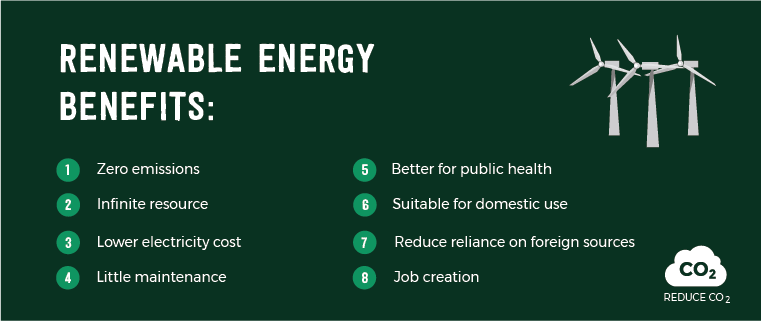
Renewable energy technology represents one of the most significant advancements in the quest for a sustainable future. As the world grapples with the consequences of climate change and dwindling natural resources, renewable energy sources offer a beacon of hope. These technologies harness natural processes to generate power, reducing reliance on fossil fuels and mitigating environmental impact. The benefits of renewable energy extend beyond environmental conservation, impacting economic growth, energy security, and public health.

Environmental Impact

One of the most compelling advantages of renewable energy technology is its minimal environmental impact. Unlike fossil fuels, which release large amounts of greenhouse gases and pollutants into the atmosphere, renewable energy sources such as wind, solar, and hydropower produce clean energy. This reduction in emissions plays a crucial role in combating climate change. For instance, wind turbines and solar panels generate electricity without emitting carbon dioxide, a major greenhouse gas. Additionally, renewable energy technologies help conserve water resources, as many traditional power plants require vast quantities of water for cooling and extraction processes.

Economic Growth and Job Creation

Renewable energy technology is a catalyst for economic growth and job creation. As the sector expands, it creates numerous employment opportunities across various industries. From manufacturing and installation to maintenance and research, the renewable energy sector generates jobs that contribute to local and national economies. For example, the solar industry alone has seen significant job growth, providing positions in installation, sales, and support services. Investing in renewable energy also stimulates innovation and drives technological advancements, which can lead to further economic benefits and competitive advantages in the global market.

Energy Security

Renewable energy enhances energy security by diversifying the energy supply and reducing dependence on imported fossil fuels. Traditional energy sources are often subject to price volatility and geopolitical tensions, which can disrupt supply and lead to economic instability. By harnessing local renewable resources, countries can reduce their reliance on external energy sources and increase their energy independence. This shift not only stabilizes energy prices but also strengthens national security by minimizing vulnerabilities associated with energy supply chains.

Public Health Benefits

The public health benefits of renewable energy are significant. Traditional energy production methods, such as coal and natural gas, release pollutants that contribute to respiratory and cardiovascular diseases. The combustion of fossil fuels can lead to poor air quality, which has been linked to increased rates of asthma, lung cancer, and heart disease. In contrast, renewable energy sources produce little to no air pollutants, resulting in cleaner air and healthier communities. Transitioning to renewable energy can therefore lead to a decrease in healthcare costs associated with pollution-related illnesses and improve overall public health outcomes.

Sustainable Development

Renewable energy technology supports sustainable development by providing a reliable and clean energy source for future generations. Unlike fossil fuels, which are finite and will eventually deplete, renewable resources such as sunlight, wind, and water are abundant and constantly replenished. This sustainability ensures that energy needs can be met over the long term without compromising the ability of future generations to meet their own needs. Furthermore, renewable energy projects often have lower environmental footprints compared to conventional energy infrastructure, supporting broader sustainability goals and preserving natural ecosystems.

Technological Innovation

The advancement of renewable energy technology drives technological innovation and efficiency improvements. Continuous research and development in this field lead to more efficient solar panels, advanced wind turbines, and innovative energy storage solutions. These technological breakthroughs not only enhance the performance and cost-effectiveness of renewable energy systems but also contribute to broader scientific and engineering knowledge. As renewable technologies become more sophisticated, they offer greater potential for integration into various aspects of daily life and industry, paving the way for a more sustainable and technologically advanced future.

Conclusion

Renewable energy technology offers a multitude of benefits that extend beyond environmental conservation. By reducing greenhouse gas emissions, fostering economic growth, enhancing energy security, improving public health, supporting sustainable development, and driving technological innovation, renewable energy stands as a pivotal force in shaping a more sustainable and resilient future. Embracing these technologies not only addresses immediate energy needs but also lays the groundwork for a cleaner, healthier, and more prosperous world for generations to come.

Automation In The Workplace: Transforming The Modern Work Environment

Automation has become a pivotal force in shaping the contemporary workplace. As technology continues to advance, businesses are increasingly turning to automated solutions to streamline operations, enhance productivity, and reduce costs. This article explores the various dimensions of automation in the workplace, examining its benefits, challenges, and future prospects.

The Rise of Automation

The advent of automation in the workplace can be traced back to the Industrial Revolution, but recent technological advancements have accelerated its adoption. Modern automation encompasses a range of technologies, including artificial intelligence (AI), robotics, and machine learning. These tools are designed to perform tasks that were once the exclusive domain of human workers, from simple repetitive jobs to complex decision-making processes.

Benefits of Automation

One of the primary advantages of automation is increased efficiency. Automated systems can perform tasks faster and with greater accuracy than humans, leading to higher productivity levels. For instance, in manufacturing, robots can assemble products with precision and speed that surpass human capabilities. Similarly, in office environments, software automation can handle routine tasks such as data entry and scheduling, freeing employees to focus on more strategic activities.

Cost reduction is another significant benefit of automation. By minimizing the need for manual labor and reducing the likelihood of errors, businesses can lower operational costs. Automation also enables companies to scale their operations more easily. As demand for products or services increases, automated systems can be scaled up quickly without the need for substantial additional human resources.

Challenges and Considerations

Despite its numerous advantages, automation presents several challenges. One of the most pressing concerns is the potential displacement of workers. As machines and algorithms take over tasks previously performed by humans, there is a risk of job loss and reduced employment opportunities. This transition can be particularly challenging for workers in roles that are highly susceptible to automation.

Additionally, the implementation of automation technologies often requires significant upfront investment. Businesses must weigh the costs of acquiring and maintaining automated systems against the anticipated benefits. Moreover, integrating new technologies into existing workflows can be complex and may require substantial adjustments to organizational processes.

Adapting to Automation

To mitigate the challenges associated with automation, companies need to invest in workforce development and reskilling programs. As automation reshapes job roles, employees must be equipped with new skills to remain relevant in the evolving job market. Training programs focused on digital literacy, data analysis, and technology management can help workers transition to new roles and responsibilities.

Organizations should also focus on fostering a culture of innovation and adaptability. By encouraging employees to embrace technological changes and continuously update their skills, businesses can better position themselves to thrive in an automated environment. Additionally, promoting collaboration between human workers and automated systems can lead to more effective and efficient outcomes.

The Future of Automation

Looking ahead, the role of automation in the workplace is expected to continue growing. Emerging technologies such as advanced AI and robotics are likely to drive further innovations in automation. These advancements have the potential to transform industries beyond manufacturing and office environments, impacting fields such as healthcare, logistics, and finance.

The future of automation will likely involve a greater emphasis on human-machine collaboration. Rather than replacing human workers entirely, automation will increasingly complement human skills and capabilities. For example, AI-powered tools may assist doctors in diagnosing diseases, while robots might support logistics professionals in managing supply chains.

Conclusion

Automation is undeniably reshaping the modern workplace, offering numerous benefits such as increased efficiency and cost savings. However, it also presents challenges that must be addressed, including potential job displacement and the need for substantial investment. By investing in workforce development and fostering a culture of innovation, businesses can navigate these challenges and harness the full potential of automation. As technology continues to evolve, the future of the workplace will likely be characterized by a dynamic interplay between human expertise and automated systems, paving the way for new opportunities and advancements.