



Preventative Electrical Maintenance and Repairs
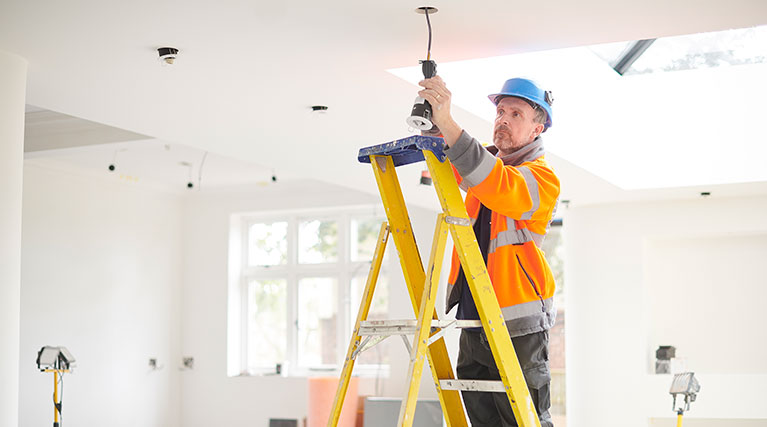
You’re likely aware that electrical systems play a vital role in your daily operations, but are you doing enough to ensure they’re running safely and efficiently? Regular maintenance checks can identify potential electrical hazards, allowing you to address them before they cause downtime, electrical shocks, or even fires. But what exactly should you be looking for during these checks, and how often should they be scheduled?
Identifying Potential Electrical Hazards
Identifying potential electrical hazards is crucial in preventing electrical shocks, fires, and even fatalities. You must be proactive in spotting potential dangers to ensure a safe environment Matrix Electric.
Start by inspecting your electrical systems, looking for signs of wear and tear, such as frayed cords, flickering lights, or warm outlets. Check your electrical panels and circuit breakers for overheating, rust, or signs of water damage.
You should also test your Ground Fault Circuit Interrupter (GFCI) outlets to ensure they’re functioning correctly.
When using electrical appliances, make sure they’re certified by a reputable testing organization, and always follow the manufacturer’s instructions.
Avoid overloading outlets and extension cords, as this can cause electrical fires. Keep flammable materials away from heat sources, and never leave electrical appliances unattended.
Scheduling Regular Maintenance Checks
Your electrical systems require regular tune-ups to ensure they’re running efficiently and safely.
Scheduling regular maintenance checks helps prevent electrical failures, reduces downtime, and minimizes the risk of electrical shocks or fires. You should schedule maintenance checks at least once a year, or as recommended by the manufacturer.
During these checks, a licensed electrician will inspect your electrical systems, identify potential issues, and perform necessary repairs or replacements. They’ll also provide you with a detailed report outlining the condition of your electrical systems and recommending any necessary upgrades or improvements.
Performing Visual Inspections
As you prepare for electrical maintenance and repairs, take a closer look at your electrical systems visually.
Start by inspecting the electrical panels, looking for signs of overheating, rust, or corrosion. Check the circuit breakers and fuses to ensure they’re not damaged or worn out.
Verify that the electrical wiring and cables are secure, not damaged, or frayed. Make sure all electrical components are properly labeled and easily accessible.
When examining electrical devices and appliances, look for signs of wear, such as frayed cords or cracked insulation.
Check the plugs and sockets for damage or corrosion. If you notice any unusual smells, sounds, or heat emanating from electrical devices or systems, take note of them.
Document your findings and prioritize repairs based on the level of risk or urgency.
Addressing Common Electrical Issues
Now that you’ve visually inspected your electrical systems and identified potential hazards, you’re ready to tackle the most common electrical issues.
Flickering lights, warm outlets, and blown fuses are all signs of underlying problems that need attention. You’ll want to replace any worn-out or damaged outlets and switches, as well as tighten any loose connections.
It’s also essential to address overloaded circuits, which can lead to electrical fires. Check your circuit breaker box to ensure that each circuit isn’t overloaded with too many appliances.
Consider installing arc-fault circuit interrupters (AFCIs) and ground-fault circuit interrupters (GFCIs), which can detect and interrupt electrical arcs and ground faults.
Additionally, make sure that all electrical components, including cords and plugs, are in good condition and not damaged.
Ongoing Monitoring and Testing
Regularly, electrical systems require ongoing monitoring and testing to ensure they continue to operate safely and efficiently.
You can’t just install electrical components and forget about them. You need to keep an eye on them to catch potential issues before they become major problems.
This involves scheduling regular inspections and maintenance tasks to identify and address any faults, defects, or deterioration in your electrical systems. By doing so, you’ll prevent electrical shocks, fires, and equipment downtime.
You should test your electrical systems under various loads and conditions to ensure they’re working as expected.
This might involve running simulations, performing thermal imaging, or using specialized equipment to detect any anomalies. By monitoring and testing your electrical systems, you’ll be able to pinpoint areas that need improvement or repair, ultimately reducing the risk of electrical hazards.
Conclusion
You’ve taken the first step in preventing electrical hazards by reading this article. Now, it’s time to put your knowledge into action. You’ve learned how to identify potential electrical hazards, schedule regular maintenance checks, perform visual inspections, address common electrical problems, and monitor and test your electrical systems. By following these steps, you’ll reduce the risk of electrical shocks, fires, and equipment downtime, ensuring your electrical systems operate safely and efficiently.