

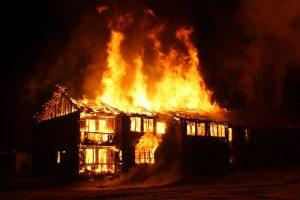

Top Buyer Concerns When Purchasing Fire-Affected Properties
When you’re considering purchasing a fire-affected property, you’re likely to have a lot of questions and concerns. You’re not just buying a property – you’re taking on a complex set of potential risks and challenges. As you weigh the pros and cons, you’ll want to carefully think through the potential implications of a fire-damaged property on your wallet, your health, and your peace of mind. But where do you even start? What are the key factors you should be looking out for, and how can you make an informed decision that works for you?
Structural Integrity and Safety
When you’re considering buying a fire-affected property, the first thing that should come to mind is the structural integrity and safety of the building.
You need to ensure that the property can withstand natural elements and support the weight of its occupants. A thorough inspection is crucial to identify any potential hazards, such as weakened beams, damaged roofing, or compromised foundations.
You should also check if the property meets the local building codes and regulations.
Verify if the necessary permits were obtained for any repairs or renovations made after the fire. Additionally, review the property’s history to determine if it’s prone to fires or has had any previous damage.
It’s essential to work with a qualified inspector or contractor who’s experience with fire-damaged properties.
They can help you identify potential safety risks and provide guidance on the necessary repairs or renovations. Remember, your safety and the safety of your loved ones depend on it.
Hidden Damage and Repair Costs
Inspect the property carefully, as fire damage can hide behind cosmetic repairs, and underlying issues can lead to costly surprises down the road.
You might think the property looks fine on the surface, but it’s crucial to dig deeper. Check for signs of water damage, structural issues, and electrical or plumbing problems. Don’t rely solely on the seller’s disclosure; instead, hire a professional inspector who specializes in fire-damaged properties.
They can identify potential issues that mightn’t be immediately apparent.
Be prepared for unexpected repair costs. Fire damage can compromise the property’s foundation, walls, or roof, leading to expensive repairs.
You might need to replace damaged drywall, flooring, or ceilings, which can add up quickly. Additionally, you may need to address issues with the electrical or plumbing systems, which can be costly to fix.
Factor these potential costs into your offer or budget accordingly. Remember, it’s better to be safe than sorry, and investing in a thorough inspection can save you from financial headaches down the line.
Environmental and Health Risks
Toxic residues and hazardous materials can linger in fire- fire damage properties, posing significant environmental and health risks to you and your family.
These residues can include volatile organic compounds (VOCs), heavy metals, and particulate matter, which can contaminate the air, water, and soil. Exposure to these substances can lead to respiratory problems, skin irritation, and even long-term health issues like cancer.
You should also be concerned about the potential for asbestos, lead, and other hazardous materials to be present in the property. These substances require specialized handling and removal, and improper disposal can exacerbate the risks.
Additionally, fire-damaged properties may harbor mold and mildew, which can trigger allergic reactions and respiratory issues.
It’s essential to have a thorough environmental inspection conducted by a qualified professional to identify potential hazards and recommend necessary remediation measures.
Don’t assume that a property is safe just because it looks clean or has been cleared by local authorities. Take proactive steps to protect yourself and your family from the environmental and health risks associated with fire-affected properties.
Insurance and Financial Implications
Many fire-affected properties have underlying insurance and financial implications that can significantly impact your purchase decision.
You’ll want to carefully review the property’s insurance history, including any claims made and payouts received. This can affect your ability to secure insurance in the future, as well as the premiums you’ll pay.
Additionally, you may need to factor in the cost of any necessary repairs or renovations to bring the property up to code.
You should also consider the potential for increased insurance premiums due to the property’s fire history.
Some insurance companies may view fire-affected properties as higher-risk, leading to higher premiums or even denial of coverage. Furthermore, you may need to purchase specialized insurance policies, such as a fire-damaged property policy, which can be more expensive than standard policies.
It’s essential to factor these insurance and financial implications into your purchase decision to avoid any unexpected costs or surprises down the line.
Be sure to work with a knowledgeable real estate agent and insurance professional to help you navigate these complex issues.
Resale Value and Stigma
Your new property’s fire history can have a lasting impact on its resale value, and it’s essential to consider this factor before making a purchase.
Even if the property has been fully restored, the stigma of a fire can linger, affecting its appeal to potential buyers. You may find that your property takes longer to sell or sells for a lower price than similar properties without a fire history.
Additionally, you should research the local market to understand how fire-affected properties are perceived by potential buyers.
Are there any specific concerns or misconceptions about fire-damaged properties in your area? Understanding these concerns can help you make a more informed decision about your purchase.
It’s also crucial to consider the long-term implications of owning a fire-affected property.
Will you need to disclose the property’s fire history to potential buyers in the future? How will this disclosure impact your property’s resale value? By carefully considering these factors, you can make a more informed decision about purchasing a fire-affected property.
Conclusion
You’ve weighed the pros and cons, and now it’s time to make a decision. Remember, buying a fire-affected property comes with unique challenges. Ensure you’ve addressed your top concerns: structural integrity, hidden damage, environmental and health risks, insurance and financial implications, and resale value. Don’t rush in – take your time to inspect, research, and calculate the costs. Your diligence will pay off in the long run, helping you make a smart, informed purchase that meets your needs and budget.