

The Connection Between Estate Planning and Probate

As you consider your legacy and the loved ones you’ll leave behind, you’re likely wondering how to ensure a smooth transition of your estate. The truth is, a well-planned estate can greatly impact the probate process from becoming a lengthy and costly ordeal. By taking control of your estate plan, you’ll be able to minimize the need for probate, reducing administrative costs and fees. But, how do you get started? What steps can you take to ensure your loved ones receive the assets you intend for them, without unnecessary delay or expense?

Understanding Estate Planning Basics

Your estate plan is a crucial set of documents that ensure your wishes are respected and your loved ones are protected probate attorney.

It’s not just about distributing your assets; it’s about ensuring your family’s well-being and avoiding potential conflicts.

When you create a will, you’re naming an executor who’ll carry out your wishes.

You’re also deciding who’ll inherit your property, investments, and personal belongings.

If you have minor children, you’ll name a guardian to care for them if you’re no longer able.

You’ll also want to consider creating a living will, which outlines your medical treatment preferences if you’re unable to communicate.

A power of attorney document allows someone to manage your financial and legal affairs if you become incapacitated.

By having these documents in place, you’ll be giving your loved ones the guidance and support they’ll need during a difficult time.

The Probate Process Explained

One in five estates must go through probate, a legal process that validates your will, pays off debts, and transfers ownership of assets to beneficiaries.

You’ll need to appoint a personal representative, also known as an executor, to oversee the process.

They’ll gather your assets, pay off your debts and taxes, and then distribute the remaining assets according to your will.

If you don’t have a will, the court will appoint an administrator to distribute your assets according to the state’s intestacy laws.

The probate process can take several months to a year or more, depending on the complexity of your estate.

You’ll need to file paperwork with the court, including a petition to open probate, a detailed inventory of your assets, and a list of your creditors.

The court will then review your will, if you have one, and ensure that your assets are distributed correctly.

Minimizing Probate Through Estate Planning

As you navigate the complex process of probate, it’s natural to wonder if there’s a way to minimize its impact on your estate.

Fortunately, there are several strategies you can employ to reduce the impact of probate. One effective approach is to create a trust, which allows you to transfer assets to beneficiaries outside of probate.

This can significantly reduce the value of your probate estate, resulting in lower administrative costs and fees. Additionally, you can use beneficiary designations to pass them directly to beneficiaries, such as naming beneficiaries for life insurance, retirement accounts, and bank accounts.

This ensures that these assets bypass probate altogether. By implementing these strategies, you can minimize the impact of probate on your estate, ensuring that your loved ones receive the assets you intend for them without unnecessary delay or expense.

Avoiding Common Estate Planning Mistakes

Crafting a solid estate plan takes time and effort, but it’s worth it to ensure your wishes are respected and your loved ones are left to deal with a mess.

You don’t want to leave behind a puzzle that requires them to piece together your financial, legal, and personal affairs.

One common mistake isn’t updating your beneficiary designations on retirement accounts and life insurance policies.

You may have named a former spouse, or your children when they were minors.

Failing to update these designations can lead to unintended consequences.

Another mistake isn’t considering the tax implications of transferring assets.

You may inadvertently trigger capital gains taxes or gift taxes.

Additionally, not considering long-term care costs can lead to depletion of your assets.

You should also avoid DIY estate planning, as it can lead to costly mistakes and unintended consequences.

Protecting Your Legacy and Loved Ones

Three key components of protecting your legacy and loved ones are ensuring the continuity of your values, providing for their financial well-being, and designating responsible individuals to carry out your wishes.

By doing so, you’ll have peace of mind knowing that your loved ones will be taken care of after you’re gone.

You can ensure the continuity of your values by specifying how you want your assets to be used.

For instance, if you’re passionate about education, you can designate a portion of your estate to fund scholarships or educational programs.

This will allow your values to live on even after you’re no longer here.

Lastly, designating responsible individuals to carry out your wishes is crucial.

You’ll need to appoint an executor, guardians for minor children, and agents for financial and healthcare decisions.

Conclusion

You’ve taken the first step in understanding the connection between estate planning and probate. Now, it’s time to put this knowledge into practice. By minimizing probate through estate planning, you’ll reduce administrative costs and fees, and ensure your loved ones receive what’s intended without delay or expense. You’ve worked hard for your legacy, protect it and your loved ones by avoiding common estate planning mistakes and creating a comprehensive estate plan that reflects your wishes.
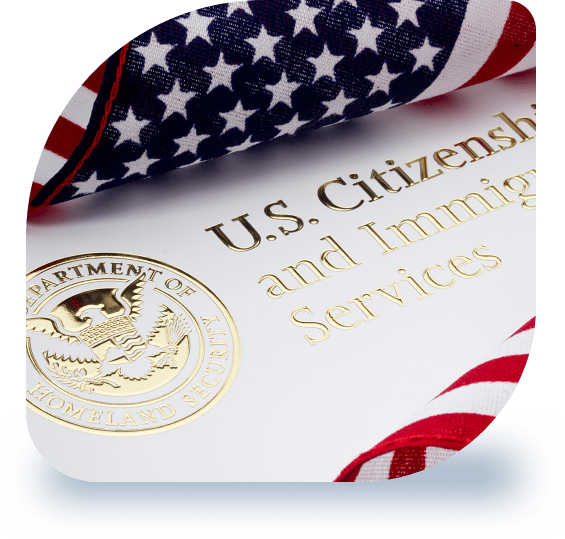
What Documents Do Dallas Immigration Lawyers Need?

As you prepare to consult with a Dallas immigration lawyer, you’re probably wondering what documents you’ll need to bring to the table. The answer depends on your specific situation – are you applying for citizenship, seeking a family-based petition, or navigating employment-based immigration? You’ll need to gather visa-specific documents, proof of identity and residency, and certified translations, among others. But what about labor certifications, job qualifications, and employer financial stability records? You’re about to find out – and understanding these requirements is crucial for a successful application.

Visa-Specific Documentation Requirements

When handling visa applications, you must tailor your documentation to meet the specific requirements of each visa type.

Different visas have distinct requirements, and submitting the wrong documents can lead to rejection or delays.

For instance, if you’re applying for a work visa, you’ll need to provide proof of employment, such as a job offer letter or a contract.

On the other hand, you’ll need to provide proof of family ties or a sponsorship letter for a family-based visa.

You should also be aware of the specific formats and translations required for certain documents.

Some visas require certified translations of birth or marriage certificates, while others need notarized copies of passports or identity documents.

It’s essential to carefully review the requirements for each visa type to ensure you’re submitting the correct documents.

Citizenship Application Documents Needed

Your citizenship application hinges on submitting the right papers.

You’ll need to provide proof of identity, such as a valid passport, birth certificate, or government-issued ID. Additionally, you’ll need to show proof of residency, like utility bills, lease agreements.

You’ll have to submit photocopies of both sides of your green card, as well. If you’ve ever been arrested or detained, you’ll need to provide certified court documents detailing the incident.

You’ll need to provide proof of your name change, if applicable. If you’ve taken a trip outside the US, you’ll need to provide travel documentation, such as flight itineraries or passport stamps.

You may also need to submit additional evidence, such as tax returns or employment records, to demonstrate your eligibility for citizenship. Make sure you thoroughly review the application and attach all required documents to avoid any delays in the processing of your application.

Family-Based Petitions Documentation

Two types of family-based petitions exist: immediate relative petitions and family-preference petitions. As you prepare your case, you’ll need to determine which type applies to your situation.

Immediate relative petitions are for spouses, unmarried children under 21, and parents of US citizens. You’ll need to provide proof of your relationship, such as a marriage certificate, birth certificate, or adoption decree.

For family-preference petitions, you’ll need to provide documents showing your relationship to a US citizen or lawful permanent resident.

This includes siblings, married children, and unmarried children over 21. You’ll need to provide birth and marriage certificates, as well as proof of citizenship or residency.

Additionally, you may need to provide police certificates, medical exams, and other supporting documents.

Your Dallas immigration lawyer will help you gather and prepare these documents, ensuring your petition is complete and accurate.

Employment-Based Immigration Documents

Many employment-based immigration cases hinge on the documentation you submit.

Your Dallas immigration lawyer will guide you in gathering the necessary paperwork to support your petition.

For labor certifications, you’ll need to provide documentation showing that you’ve advertised the job opening in the US and that no qualified American workers are available to take the position.

Your employer must also demonstrate that they’ll pay you the prevailing wage for the job.

You’ll need to submit copies of your job offer, your employer’s labor certification, and your qualifications, such as degrees, diplomas, and transcripts.

If you’re applying for an H-1B visa, you’ll need to provide documentation showing your specialized knowledge or expertise.

Additionally, your employer must provide documentation on their business operations and financial stability.

Adjustment of Status Documents

As you navigate the employment-based immigration process, you’ll encounter another pivotal step: adjusting your status.

This stage involves submitting an Application to Register Permanent Residence or Adjust Status (Form I-485) to USCIS.

Your Dallas immigration lawyer will need the following to support your adjustment of status application:

  • Copies of your passport biographic page, Form I-94 (if applicable), and all previous visa approvals (if applicable).
  • A copy of your birth certificate, accompanied by a certified English translation if it’s not in English.
  • A copy of your marriage certificate (if applicable), along with a certified English translation if it’s not in English.
  • A copy of your divorce or death certificate (if applicable) with a certified English translation if it’s not in English.

Your https://www.dallasimmigrationlawyers.com/ may also request additional documents, depending on your specific situation.

Ensure you provide all required documents to avoid delays or potential denials.

Conclusion

You’ve gathered all the necessary paperwork, and now you’re one step closer to achieving your immigration goals. Having a comprehensive package of visa-specific documents, proof of identity and residency, family ties, and employment-based documentation will significantly boost your application’s chances of success. By submitting a complete and accurate set of papers, you’ll avoid potential delays and rejections, saving you time, money, and emotional distress.

The Best TPD Lawyers in Brisbane for Your Injury Claim

If you’ve suffered a serious injury or illness that has left you unable to work, the emotional and financial strain can feel overwhelming. In these difficult times, making a Total and Permanent Disability (TPD) claim can provide crucial support, but navigating the claims process on your own can be a daunting task. That’s where the best TPD lawyers in Brisbane come in – experts who can guide you through the complex legal process and ensure you receive the compensation you’re entitled to.

In this article, we’ll introduce you to some of the best TPD lawyers in Brisbane, who are well-equipped to help you maximize your claim and get the financial relief you need during this challenging time.

Why You Need a TPD Lawyer in Brisbane

When dealing with a TPD claim, you’re not just up against your insurer—you’re also facing complex paperwork, strict deadlines, and potentially even disputes over the extent of your disability. TPD claims can be denied or delayed if they’re not handled correctly, and the last thing you want is to be left without the support you need.

Here’s where a skilled TPD lawyer can make a significant difference:

  • Expert Knowledge of Insurance Law: TPD lawyers understand the ins and outs of insurance policies and know how to navigate the legal complexities of a claim. They can help ensure you meet the requirements, gather the necessary evidence, and submit the right documents.
  • Maximize Your Payout: Insurance companies are often focused on minimizing payouts. A good lawyer will work tirelessly to ensure you receive the maximum compensation for your injury or illness.
  • Handle Disputes: If your claim is denied or disputed, a TPD lawyer can help you fight back, whether through negotiation or legal proceedings.
  • Peace of Mind: With a lawyer handling the legal process, you can focus on what matters most: your recovery and well-being.

Top TPD Lawyers in Brisbane

If you’re looking for expert legal assistance with your TPD claim, Brisbane is home to some of the best law firms and experienced lawyers who specialize in these types of cases. Here are some top choices that can help you navigate the process and secure the compensation you deserve.

1. Slater and Gordon Lawyers

Slater and Gordon is one of Australia’s leading law firms, and their Brisbane office is home to a team of experienced TPD lawyers who specialize in helping individuals recover compensation for personal injury claims. They have a proven track record of success in securing favorable outcomes for clients, and their no-win, no-fee policy makes it easier for you to pursue your claim without worrying about legal fees upfront.

Their team is known for its compassionate approach and dedication to achieving the best possible result for each client. Whether you’re dealing with a severe injury or long-term illness, Slater and Gordon will guide you through the claims process with ease.

Why choose Slater and Gordon?

  • Experienced TPD lawyers with a strong track record of success.
  • No-win, no-fee policy to reduce financial risk.
  • Compassionate, client-focused approach.

2. McInnes Wilson Lawyers

With over 50 years of experience, McInnes Wilson Lawyers has earned a stellar reputation in Brisbane for handling personal injury and TPD claims. They specialize in superannuation and insurance law, making them a top choice if your claim involves these areas. Their lawyers are experts at negotiating with insurers to secure the best possible outcome for clients, and they won’t hesitate to take matters to court if necessary.

Their team understands the emotional and financial challenges associated with permanent disabilities and will work tirelessly to ensure that your claim is handled with the utmost care and attention to detail.

Why choose McInnes Wilson?

  • Extensive experience in personal injury, superannuation, and insurance law.
  • Skilled negotiators who know how to get results.
  • A long history of successful TPD claims in Brisbane.

3. Carter Capner Law

Carter Capner Law is a well-established personal injury law firm based in Brisbane that has successfully handled hundreds of TPD claims. Their team of lawyers is known for their thorough, methodical approach to every case, ensuring that no detail is overlooked. Carter Capner Law offers free initial consultations, so you can discuss your case with an expert before committing to anything.

They also work on a no-win, no-fee basis, which means that if your claim is unsuccessful, you won’t be out of pocket. This financial peace of mind allows you to focus on recovering from your injury or illness.

Why choose Carter Capner Law?

  • Free initial consultations to assess your case.
  • No-win, no-fee policy to reduce financial risk.
  • A dedicated team that handles TPD claims with care and expertise.

4. Shine Lawyers

Shine Lawyers is a nationally recognized law firm with a team of TPD lawyers in Brisbane who specialize in personal injury claims. Known for their customer-centric approach, Shine Lawyers focus on building strong, personal relationships with their clients and providing them with the best possible outcome.

Their team has a solid track record of securing compensation for clients with severe injuries or chronic illnesses. With a no-win, no-fee guarantee, Shine Lawyers make it easy for you to pursue your claim without the added stress of legal fees.

Why choose Shine Lawyers?

  • A focus on client relationships and personalized service.
  • Expertise in best tpd lawyers and a proven history of success.
  • No-win, no-fee guarantee to protect you from financial risk.

5. Wottles Law

Wottles Law is a boutique law firm based in Brisbane with a strong focus on personal injury and insurance claims, including TPD. Known for their hands-on approach, Wottles Law takes the time to fully understand your case and provide you with tailored legal advice and strategies.

They work on a no-win, no-fee basis, so you won’t have to worry about upfront legal fees. Their team of TPD lawyers will guide you through the entire process, ensuring you receive the maximum compensation for your injuries or illness.

Why choose Wottles Law?

  • A personalized approach to every case.
  • Expertise in insurance and personal injury law.
  • A no-win, no-fee policy to help reduce financial pressure.

How a TPD Lawyer Can Help Maximize Your Claim

A skilled TPD lawyer can significantly increase your chances of success by ensuring that your claim is handled properly from start to finish. Here’s how they can help maximize your claim:

  • Assess Eligibility: A lawyer will review your medical history, work records, and insurance policy to determine whether you qualify for a TPD claim.
  • Gather Medical Evidence: TPD claims require extensive medical documentation. A lawyer can help you gather and organize the necessary medical records to support your claim.
  • File Correctly: Ensuring that all forms and documents are correctly completed and submitted is essential. A lawyer will help you avoid common mistakes that could delay or derail your claim.
  • Negotiate on Your Behalf: Insurance companies often try to minimize payouts. A lawyer will negotiate with the insurer to ensure you receive the maximum compensation available.
  • Handle Denied Claims: If your claim is denied, a lawyer can help you challenge the decision and pursue your case through appeals or legal proceedings.

Conclusion: Get the Legal Help You Deserve

If you're unable to work due to an injury or illness, securing a TPD claim can provide vital financial support for your future. The top TPD lawyers in Brisbane are here to help you navigate the complex process, ensuring that your claim is handled with expertise and care. Whether you choose Slater and Gordon, McInnes Wilson, Carter Capner Law, Shine Lawyers, or Wottles Law, you’ll have a trusted legal partner to fight for the compensation you deserve.

Don’t go it alone—reach out to one of Brisbane’s best TPD lawyers today and take the first step toward securing your financial future and peace of mind.

Edifice A Strong Case: Requirement Evidence For Trulicity Lawsuits

Building a compelling Trulicity case requires more than just filing a ; it involves gathering solid state show that supports your take. The strength of your case often depends on the tone and amount of prove you can ply to demonstrate a link between Trulicity and the health complications you rsquo;ve versed. Trulicity Lawyer.

The first piece of necessary bear witness is your medical exam records. These records provide elaborated documentation of your Trulicity exercis, dose, and any side effects or complications you practiced. They are valuable in proving that you used the drug as directed and can show how your wellness changed after starting Trulicity. Medical records that hospital visits, treatments, and any procedures required due to side effects can greatly tone up your case.

Additionally, statements from health care providers can do as right prove. Doctors, nurses, and other medical examination professionals who have ascertained your can offer insights into the connection between Trulicity and your symptoms. In some cases, expert witnesses may be brought in to explain the potential risks of Trulicity to the court, providing scientific context of use that supports your exact.

Other useful testify includes revenue for medical expenses, records of lost work, and any correspondence with Eli Lilly or healthcare providers regarding Trulicity. By gathering these forms of evidence, you and your attorney can build a strong case that demonstrates the impact Trulicity has had on your health and life. This comprehensive approach not only improves your chances of success but also ensures that your exact is well-supported at every present of the effectual work.