
Selecting the Right Belt Sealing Machine for Your Needs

When it comes to choosing the appropriate belt sealing machine for your operations, the task might seem daunting at first. There are various options available, each with distinct features and capabilities tailored to different production environments. Understanding your specific needs and aligning them with the right machine is crucial for efficiency and quality output. Factors like ease of use, maintenance requirements, and technical support play a significant role in this decision-making process. So, how can you ensure that you select the perfect belt sealing machine that meets all your criteria effectively?

Types of Belt Sealing Machines

When considering belt sealing ตู้อบลมร้อน , you’ll encounter various types designed to meet specific production needs. One common type is the continuous band sealer, ideal for sealing bags rapidly in a continuous manner. These sealers are efficient for high-volume production lines where speed is crucial.

Another type is the vertical band sealer, which is suitable for sealing bags that need to stand upright during the sealing process. This type is commonly used for sealing liquids or powders.

Additionally, there are portable hand sealers that are versatile and can be easily moved to different workstations. They’re perfect for smaller-scale operations or when flexibility is required.

Lastly, some machines offer the option of embossing dates, logos, or batch numbers onto the sealed bags. Understanding the different types of belt sealing machines available will help you choose the most suitable one for your specific production requirements.

Key Features to Consider

To choose the right belt sealing machine for your production needs, it’s essential to consider key features that will impact the efficiency and effectiveness of your sealing process.

Firstly, look for adjustable temperature controls to ensure you can seal different materials without damaging them. A machine with variable speed settings allows you to adjust the sealing speed based on the type of material or the required sealing strength.

Consider the sealing width – a wider sealing width is beneficial for larger bags or pouches. Look for durable materials and construction to ensure longevity and reliability, reducing maintenance costs.

Additionally, features like automatic shutoff mechanisms for safety and energy efficiency can be crucial. Ease of operation, maintenance, and cleaning should also be key considerations to enhance productivity.

Understanding Production Requirements

Understanding your production requirements is crucial when selecting the right belt sealing machine. To ensure you make an informed decision, consider the following:

  • Volume: Determine the amount of products you need to seal per hour or day. This will help you choose a machine that can handle your production levels efficiently.
  • Variety: If you seal different types or sizes of products, look for a machine that offers versatility in adjusting to various product dimensions.
  • Consistency: Consider the level of consistency required in your seals. Some machines offer advanced control options to maintain uniform sealing quality throughout production runs.

Budget Considerations

Considering your financial limitations is a key aspect when selecting the right belt sealing machine. Before making a decision, it’s essential to set a budget that aligns with your business’s financial capabilities. Different belt sealing machines come with varying price points based on their features, production capacity, and brand reputation. It’s crucial to balance cost with quality to ensure you’re getting a machine that meets your sealing needs without overspending.

When setting your budget, consider not just the initial purchase price, but also factor in potential additional costs such as installation, training, and ongoing maintenance. Look for machines that offer a good value for their price, providing the necessary features without unnecessary frills that could drive up the cost.

Additionally, keep an eye out for financing options or used machines that could help you stay within budget while still getting a quality sealing machine that meets your requirements. By carefully assessing your budget considerations, you can make a well-informed decision that benefits your business in the long run.

Maintenance and Support Factors

For effective operation of your belt sealing machine, paying attention to maintenance and support factors is crucial. Regular maintenance not only ensures the longevity of your machine but also guarantees optimal performance. When selecting a belt sealing machine, consider the following maintenance and support factors:

  • Scheduled Maintenance Plans: Implementing a regular maintenance schedule can prevent unexpected breakdowns and costly repairs. It provides peace of mind knowing that your machine is being cared for proactively.
  • Technical Support Availability: Opt for a manufacturer or supplier that offers reliable technical support. Having access to knowledgeable support staff can assist you in troubleshooting issues quickly and efficiently.
  • Training Programs: Investing in training programs for your staff can enhance their understanding of the machine’s operation and maintenance requirements. Well-trained operators can contribute to the machine’s overall efficiency and reduce the likelihood of errors.

Frequently Asked Questions

Can the Belt Sealing Machine Handle Different Types of Packaging Materials?

Yes, the belt sealing machine can handle different types of packaging materials. It is designed to accommodate various materials, ensuring versatility and efficiency in your sealing process. You can rely on its adaptability for your packaging needs.

Is the Machine Customizable for Specific Sealing Requirements?

Yes, the machine is customizable for specific sealing requirements. You can adjust settings to cater to various needs, ensuring a perfect seal every time. This feature allows you to meet different packaging demands efficiently and effectively.

What Safety Features Are Included in the Belt Sealing Machine?

The belt sealing machine includes safety features such as emergency stop buttons, safety guards, and interlocking systems to prevent accidents. You can operate it confidently knowing that your safety is a top priority.

How Long Does It Take to Set up and Calibrate the Machine?

Setting up and calibrating the machine typically takes about 30 minutes. You’ll find the process straightforward and user-friendly. Once done, you’ll be ready to start efficiently sealing your products without any delays.

Are There Any Additional Accessories or Attachments Available for the Machine?

Yes, there are additional accessories and attachments available for the machine. You can enhance its functionality with various add-ons. Consider exploring options like extra sealing bars or specialized cutting tools to optimize your operations.

Conclusion

In conclusion, when selecting the right belt sealing machine for your needs, consider the different types available, key features like adjustable temperature controls and variable speed settings, and align the machine’s capabilities with your production requirements. Don’t forget to factor in budget considerations, maintenance plans, and support availability to make an informed decision that will benefit your business in the long run. Choose wisely to ensure efficiency and success in your sealing operations.

How Often Should You Clean Your Carpets? Expert Advice

You might think vacuuming once a week is enough for your carpets, but that's just the tip of the iceberg. The reality is that the frequency of cleaning can depend on various factors, such as foot traffic and the presence of pets. While experts recommend certain schedules, knowing the signs that indicate your carpets need attention can significantly impact their lifespan. So, how do you determine the right cleaning routine for your home? Let's explore the essential factors that play a role in keeping your carpets in top shape. Carpet Cleaning Company near me.

Importance of Regular Carpet Cleaning

When you neglect regular carpet cleaning, you not only allow dirt and allergens to accumulate but also risk damaging your carpets in the long run. Over time, dirt particles can grind down the fibers, leading to premature wear and tear. This not only affects the appearance of your carpets but also their lifespan.

Regular cleaning helps maintain a fresh and inviting home environment. It removes allergens like dust mites and pet dander, which can negatively impact your health and comfort. If you or your family members have allergies, keeping your carpets clean is crucial for reducing symptoms.

Moreover, regular maintenance can save you money. By investing in routine cleaning, you can avoid costly replacements or repairs down the line. It's far more economical to keep your carpets in top shape than to deal with the consequences of neglect.

Lastly, a clean carpet enhances your home's overall aesthetic. Whether you're hosting guests or simply enjoying your space, clean carpets contribute to a polished, well-kept appearance.

Prioritizing regular carpet cleaning is an essential step toward preserving both your health and your investment.

Factors Affecting Cleaning Frequency

Several factors influence how often you should clean your carpets, and understanding these can help you maintain their longevity and appearance.

First, consider the amount of foot traffic your carpets experience. High-traffic areas will accumulate dirt and grime faster, necessitating more frequent cleaning. If you have kids or pets, their activities can add to the wear and tear, making regular cleaning essential.

Next, think about your lifestyle and habits. If you frequently entertain guests or enjoy outdoor activities, dirt and allergens can easily make their way into your home, increasing the need for carpet care. Additionally, if someone in your household suffers from allergies, you might want to clean your carpets more often to reduce allergens and improve air quality.

Another factor is the type of carpet fibers. Some materials, like nylon or polyester, may be more resilient and require less frequent cleaning, while others, like wool, may need more attention to maintain their appearance.

Lastly, consider the overall environment, including humidity and climate, as these can impact how quickly your carpets show dirt and wear. By evaluating these factors, you can determine a cleaning frequency that suits your specific situation.

Recommended Cleaning Schedules

Establishing a cleaning schedule can help you maintain your carpets based on the factors discussed earlier.

By keeping a consistent routine, you can prolong the life of your carpets and keep them looking fresh.

Here's a recommended cleaning schedule that can work for most households:

  1. Daily Maintenance: Vacuum high-traffic areas daily to remove dirt and debris. This prevents buildup and keeps your carpets looking clean.
  2. Weekly Vacuuming: For the rest of your home, vacuum at least once a week. This helps to catch any dust or allergens that might settle into the fibers.
  3. Deep Cleaning: Aim for a deep clean every 6 to 12 months. This can involve steam cleaning or using a carpet cleaner to remove stains and dirt embedded deep within the fibers.
  4. Spot Cleaning: Immediately address spills or stains as they happen. Keeping a carpet cleaner or spot remover handy will help you tackle issues before they set in.

DIY Vs. Professional Cleaning

Deciding between DIY and professional carpet cleaning can be a crucial choice for maintaining your carpets. Each option has its pros and cons, and understanding them can help you make the best decision for your needs.

If you choose the DIY route, you'll have the flexibility to clean your carpets on your schedule and save some money. You can rent carpet cleaning machines or purchase cleaning products that suit your carpets.

However, keep in mind that DIY cleaning mightn't always deliver the deep clean your carpets require, especially if stains are stubborn or if there's significant dirt buildup.

On the other hand, professional cleaning offers expertise and advanced equipment that can effectively tackle tough stains and allergens. Professionals know the right techniques and cleaning solutions for various carpet types, ensuring a thorough and safe clean.

While it can be more expensive, the investment often pays off in longevity and appearance.

Ultimately, the choice comes down to your budget, time, and the condition of your carpets. Regular maintenance is vital, so weigh your options carefully to keep your carpets looking their best.

Signs Your Carpets Need Attention

Over time, carpets can show clear signs that they need attention. Ignoring these signs can lead to further damage and more costly cleaning solutions.

Here are four key indicators that it's time to give your carpets some TLC:

  1. Stains and Spots: If you notice persistent stains that won't come out with regular cleaning, it's a sign your carpet needs professional help.
  2. Dullness: When your vibrant carpets appear lackluster or matted down, it's likely time for a deep clean to restore their original beauty.
  3. Odors: Unpleasant smells, especially those that linger after cleaning, can indicate trapped dirt or moisture. This is a clear signal that more intensive cleaning is necessary.
  4. Allergies: If you or your family members experience increased allergy symptoms, your carpets may be harboring allergens like dust mites or pet dander, which require thorough cleaning.

Conclusion

In conclusion, keeping your carpets clean is essential for both their appearance and longevity. By vacuuming regularly, deep cleaning every 6 to 12 months, and addressing spills immediately, you can maintain a fresh and inviting home. Don't forget to consider factors like foot traffic and allergies when determining your cleaning schedule. Whether you choose to DIY or hire professionals, staying on top of carpet care will ensure your floors look great for years to come.

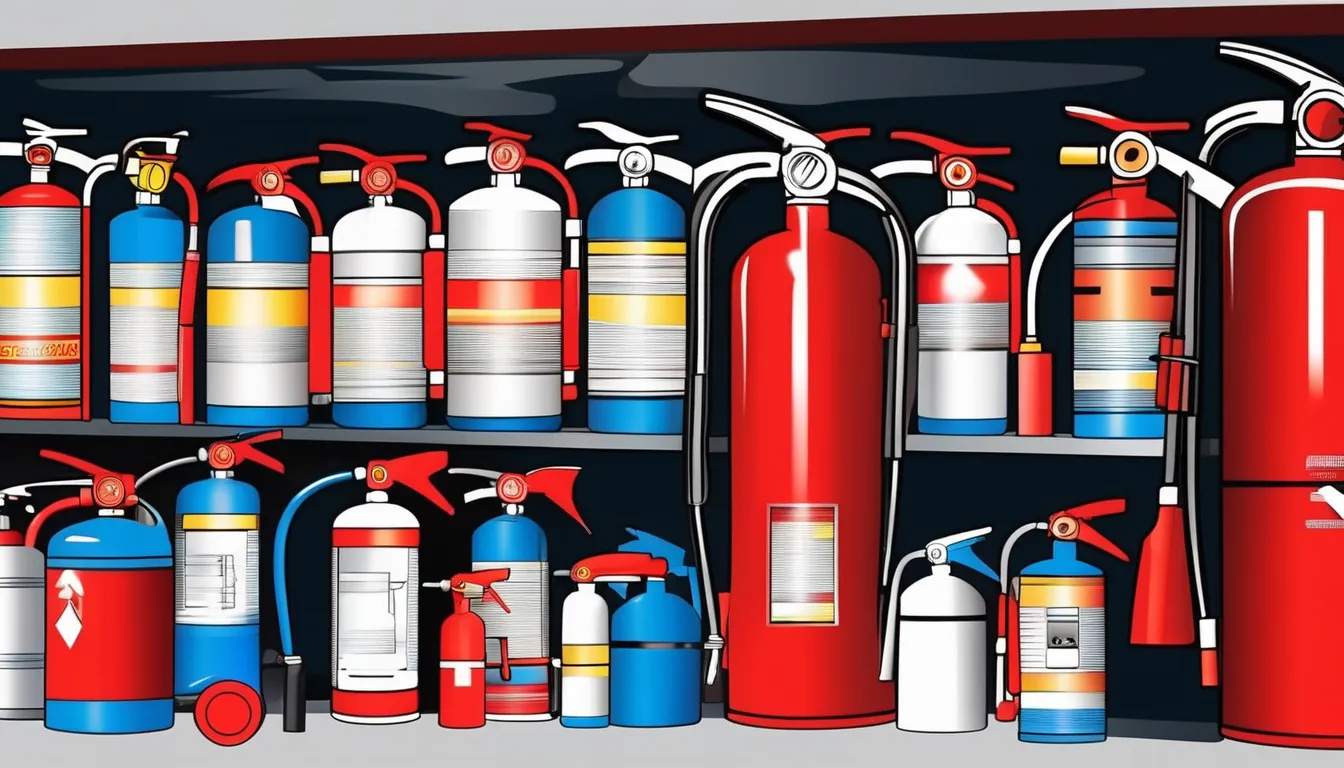
What Is the Hydrostatic Test of Fire Extinguishers and When Is It Required 

When it comes to fire extinguisher maintenance, the hydrostatic test is a fundamental procedure. It serves as a critical checkpoint to ensure the reliability and safety of these firefighting tools. But do you know the specific scenarios that necessitate this test? Stay tuned to discover the key reasons behind the hydrostatic test requirement and how it plays a vital role in fire safety protocols.

Key Takeaways

  • Hydrostatic testing checks for leaks and weaknesses in fire extinguishers.
  • Frequency varies by extinguisher type, typically every few years.
  • Required for water, CO2, dry chemical, and wet chemical extinguishers.
  • Process includes pressurizing, monitoring pressure changes, draining, and refilling.
  • Compliance with NFPA regulations and manufacturer’s instructions is crucial.

Importance of Hydrostatic Testing

Ensuring the safety and effectiveness of fire extinguishers is paramount in any environment where fire hazards exist. When it comes to the importance of hydrostatic testing, it can’t be overstated.

Hydrostatic testing is a critical procedure that involves subjecting a fire extinguisher to high-pressure conditions to check for leaks or weaknesses in the container. This process helps to ensure that the extinguisher can withstand the pressures it may encounter during a fire emergency.

Frequency of Testing Requirements

To maintain the safety and reliability of fire extinguishers, it’s necessary to adhere to specific testing schedules. Regular testing is crucial to ensure that fire extinguishers will function effectively in case of an emergency. The frequency of testing depends on the type of fire extinguisher and its intended use.

Portable fire extinguishers typically require hydrostatic testing every few years. However, specific requirements can vary based on factors such as the extinguisher’s design, materials, and manufacturer recommendations. It’s essential to consult with a certified professional to determine the exact testing schedule for each fire extinguisher in your facility.

In high-risk environments or where fire extinguishers are subjected to harsh conditions, more frequent testing may be necessary to guarantee their operational readiness.

Neglecting testing requirements can result in non-compliance with safety regulations and potentially lead to malfunctioning extinguishers during a fire emergency. By staying proactive and following the recommended testing schedules, you can help ensure that your fire extinguishers are always prepared to effectively combat fires.

Types of Fire Extinguishers Requiring Testing

Regular testing is imperative for maintaining the reliability of Inspección y mantenimiento de extintores s. Different types of fire extinguishers require testing to ensure their effectiveness in emergencies. When it comes to testing fire extinguishers, there are specific types that need to undergo the hydrostatic test to guarantee their safety and functionality:

  • Water Extinguishers: These extinguishers, often found in Class A fire situations, need to undergo hydrostatic testing every five years.
  • CO2 Extinguishers: Carbon dioxide fire extinguishers, commonly used for electrical fires, should be tested every five years.
  • Dry Chemical Extinguishers: These extinguishers, suitable for Class A, B, and C fires, require hydrostatic testing every twelve years.
  • Wet Chemical Extinguishers: Typically used in commercial kitchens for Class K fires, wet chemical extinguishers need testing every five years to ensure they’re ready for emergencies.

Process of Conducting the Hydrostatic Test

When it comes to maintaining the reliability and safety of fire extinguishers, conducting the hydrostatic test is a crucial step in ensuring their functionality during emergencies. This test involves filling the extinguisher with water or another non-compressible fluid and pressurizing it to a specific level to check for any potential leaks or defects in the container. Here is a breakdown of the process:

Step Description Importance
Visual Inspection Check for external damage or corrosion Ensures structural integrity
Hydrostatic Testing Pressurizing to test for leaks Identifies weaknesses
Pressure Recording Monitoring pressure changes over time Ensures stability
Draining Removing the test fluid Prepares for refilling
Refilling Recharging the extinguisher Ready for emergency use

Compliance and Safety Standards

Ensuring compliance with established safety standards is paramount when it comes to conducting hydrostatic tests on fire extinguishers. To guarantee the safety and effectiveness of the process, it’s crucial to adhere to the following guidelines:

  • NFPA Regulations: Always follow the National Fire Protection Association regulations specific to hydrostatic testing of fire extinguishers.
  • Manufacturer’s Instructions: Abide by the manufacturer’s guidelines for conducting hydrostatic tests to ensure the extinguisher remains in proper working condition.
  • Qualified Personnel: Only trained and certified individuals should perform hydrostatic tests to minimize risks and ensure accuracy.
  • Proper Equipment: Utilize calibrated and suitable testing equipment to guarantee precise results and maintain safety standards.

Conclusion

In conclusion, ensuring the proper hydrostatic testing of fire extinguishers is essential for maintaining safety and effectiveness in emergency situations. By adhering to the required testing schedules and standards, you can guarantee that your extinguishers are in optimal condition to protect lives and property. Don’t overlook the importance of this crucial procedure in maintaining fire safety in your environment.

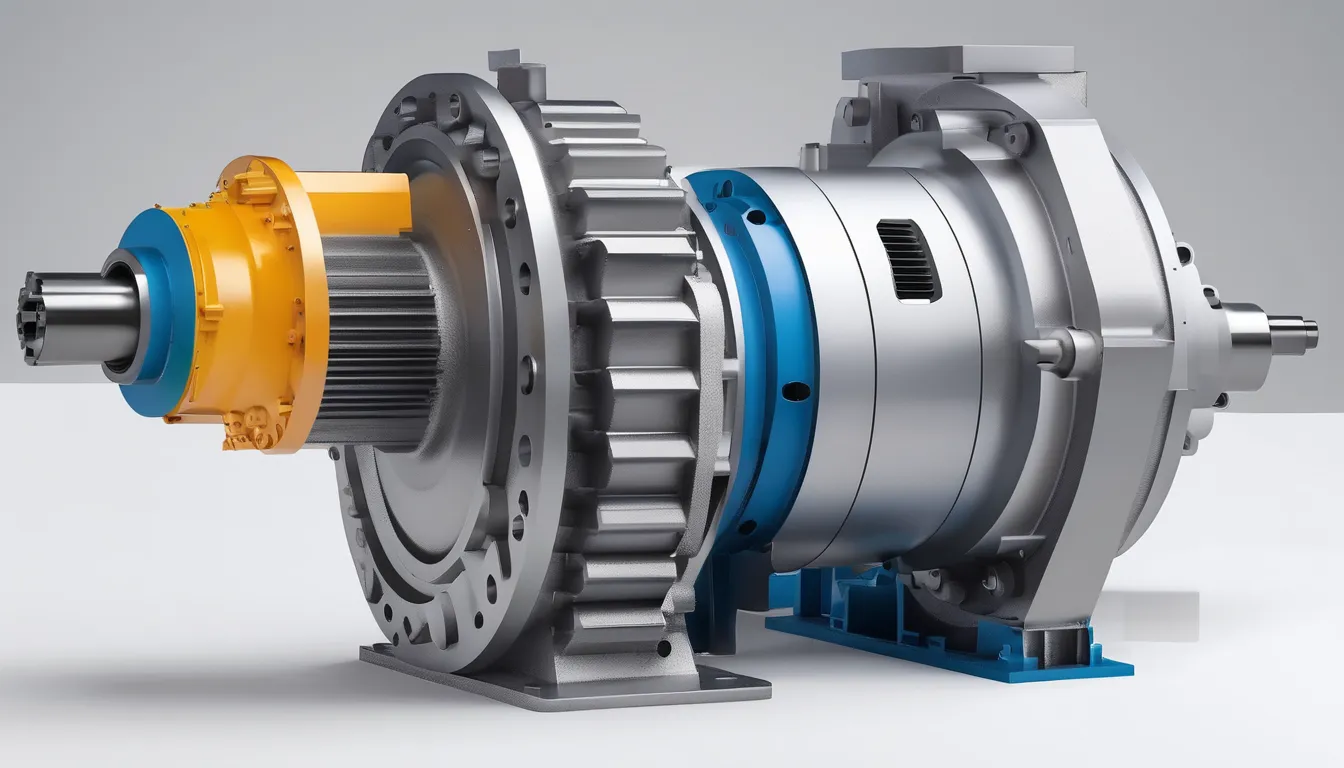
Choosing the Right Helical Gearbox for Your Machinery

When you’re selecting a helical gearbox for your machinery, it’s crucial to consider various factors that can significantly impact performance. You’ll need to assess load requirements, gear ratios, and even the environment where the gearbox will operate. Each choice you make can affect efficiency and longevity, so understanding these elements is key. But how do you prioritize these factors to ensure you choose the right gearbox for your specific application? The answer lies in a deeper analysis of your unique needs and operational context.

Understanding Helical Gearboxes

When it comes to mechanical systems, understanding helical gearboxes is essential for optimizing performance. These gearboxes use helical gears, which have teeth that are angled to the axis of rotation. This design allows for smoother and quieter operation compared to straight-cut gears.

You’ll find that helical Helical Gearbox es are particularly effective in transmitting power between non-parallel shafts, making them a popular choice in various applications.

One of their key features is the ability to handle higher loads due to the larger tooth contact area. This results in better efficiency and durability, which can be a game-changer in demanding environments.

You’ll also notice that helical gearboxes can be designed with different gear ratios, allowing for precise speed and torque control.

Additionally, they’re often more compact than other gear types, making them suitable for applications with limited space. Their design minimizes backlash, which improves overall system accuracy.

Key Factors to Consider

Choosing the right helical gearbox involves several key factors that can significantly impact performance and efficiency.

First, you need to assess the load requirements of your machinery. Consider both the maximum and continuous loads to ensure the gearbox can handle the demands without compromising durability.

Next, pay attention to the mounting options and space constraints. Make sure the gearbox fits within your machinery layout, as improper fit can lead to operational issues.

Also, consider the materials used in the gearbox construction. High-quality materials can enhance strength and longevity, reducing maintenance costs over time.

You should also evaluate the operating environment. If your machinery operates in extreme temperatures or corrosive environments, select a gearbox designed to withstand these conditions.

Noise levels are another crucial factor; choose a gearbox that meets your noise regulations, especially in sensitive settings.

Gear Ratios and Performance

Understanding gear ratios is crucial for optimizing the performance of your helical gearbox. Gear ratios directly influence how power is transmitted, affecting both speed and torque. By selecting the right ratio, you can ensure your machinery operates efficiently and effectively.

Here are some key considerations when evaluating gear ratios:

  • Torque Output: Higher gear ratios typically provide increased torque, making them ideal for heavy load applications.
  • Speed Control: Lower gear ratios allow for greater speed control, which is essential in applications requiring precision.
  • Energy Efficiency: A well-chosen gear ratio can enhance energy efficiency, reducing operational costs over time.

When you understand how gear ratios impact performance, you can make informed decisions that align with your machinery’s requirements.

Remember, the goal is to match the gearbox’s capabilities with the demands of your application. Whether you’re focusing on increasing torque for lifting heavy objects or enhancing speed for faster production, the right gear ratio will significantly influence your overall success.

Take the time to analyze your needs, and you’ll find the perfect helical gearbox to elevate your machinery’s performance.

Material Selection and Durability

Selecting the right materials for your helical gearbox plays a significant role in its overall durability and performance. You’ll want to consider factors like strength, wear resistance, and thermal stability. Common materials include carbon steel and alloy steel, which offer excellent tensile strength and hardness. These materials can withstand higher loads and reduce the risk of deformation over time.

You should also think about the surface treatment options available. Techniques like hardening, carburizing, or nitriding can enhance the wear resistance of your gears, making them last longer in demanding applications. Additionally, using proper lubrication is crucial; it minimizes friction between the gears, further extending their lifespan.

Don’t overlook the impact of environmental conditions on material selection. If your gearbox will be exposed to moisture, corrosive substances, or extreme temperatures, you may want to opt for materials that provide better corrosion resistance, such as stainless steel or specialized coatings.

Ultimately, choosing the right materials and ensuring proper treatment will enhance your gearbox’s durability, reduce maintenance costs, and improve overall performance. Your decision here lays the foundation for a reliable, long-lasting machinery solution.

Applications and Industry Uses

Helical gearboxes are essential components in various industries, providing efficient power transmission and enhancing machinery performance. You’ll find them in applications where precision and durability are crucial.

These gearboxes are particularly beneficial in heavy-duty machinery, ensuring smooth operation and minimizing wear and tear.

Here are some common applications where helical gearboxes excel:

  • Manufacturing Equipment: They’re used in conveyors, mixers, and presses, helping to maintain consistent motion and torque.
  • Automotive Industry: Helical gearboxes play a vital role in vehicle transmissions, ensuring effective power delivery from the engine to the wheels.
  • Material Handling: In forklifts and pallet jacks, these gearboxes provide the necessary strength to lift and move heavy loads safely.

When selecting a helical gearbox, consider the specific requirements of your machinery, such as load capacity, speed, and efficiency.

Conclusion

In conclusion, selecting the right helical gearbox is crucial for optimizing your machinery’s performance. By understanding the key factors, including load requirements, gear ratios, and material durability, you can make an informed choice that meets your specific application needs. Don’t overlook the impact of environmental conditions and mounting options, as these can significantly influence the gearbox’s efficiency and longevity. With the right gearbox, you’ll enhance your equipment’s reliability and productivity for years to come.