



Kick Analytics Tools for Monitoring Bot Results
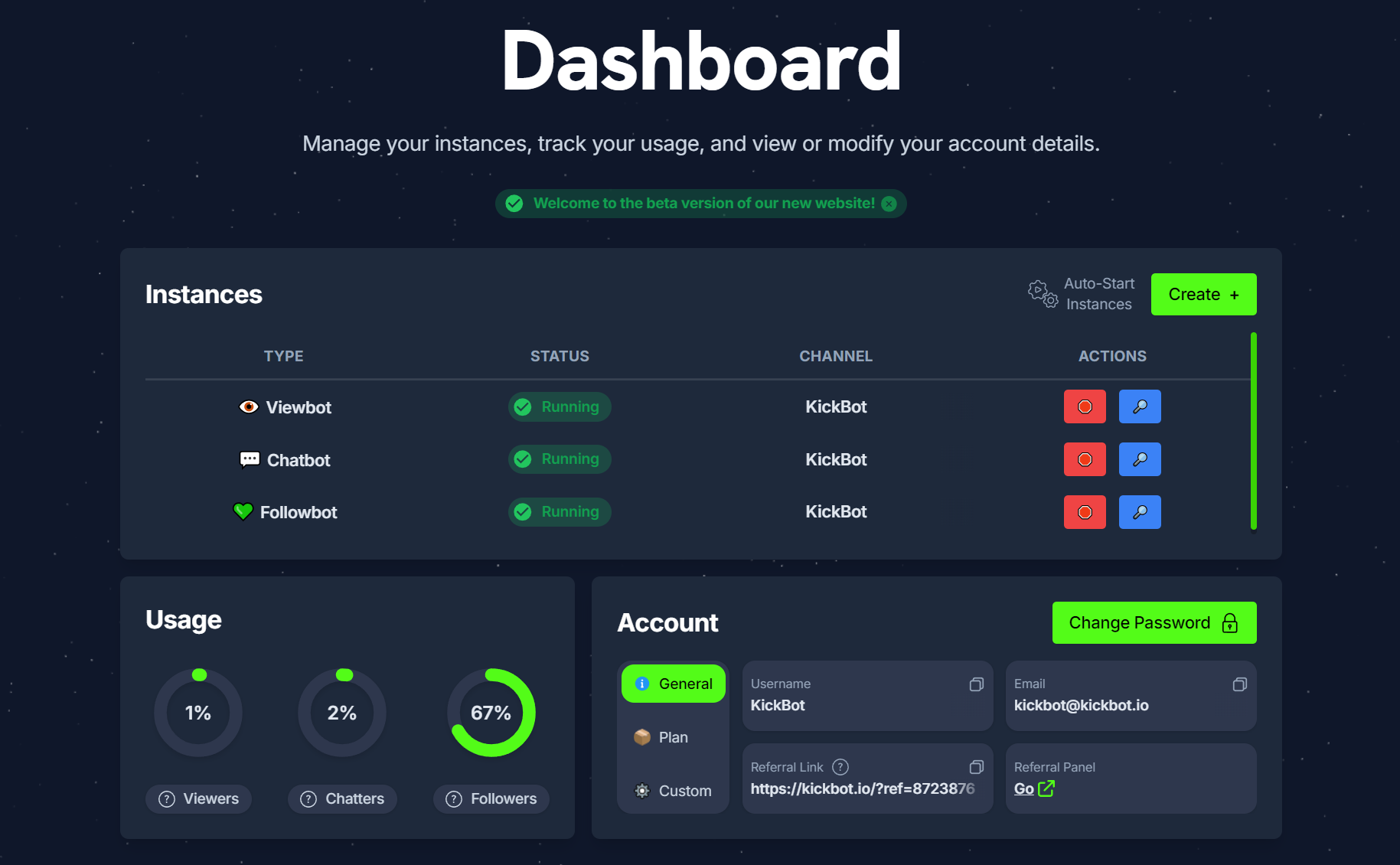
As you develop and deploy your bot, you’re likely wondering how to gauge its performance and identify areas for improvement. The answer lies in choosing the right analytics tools. With so many options available, it can be overwhelming to determine which ones will provide the insights you need to optimize your bot’s conversational flow and user experience. But what if you could uncover patterns and trends in performance data, and use that information to inform data-driven decisions and A/B testing? That’s exactly what we’ll explore next – the kick analytics tools that will take your bot’s results to the next level kick view bot.
Choosing the Right Analytics Tools
You’re likely overwhelmed by the sheer number of analytics tools available, each promising to unlock the secrets of your website’s or application’s performance.
With so many options, it’s easy to get caught up in the hype and choose a tool that doesn’t actually meet your needs. Don’t fall into this trap!
Take a step back and identify your specific goals and requirements. What do you want to measure? What insights do you need to gain?
Once you’ve narrowed down your needs, start evaluating tools based on factors like data accuracy, ease of use, and customization options.
Consider the size and complexity of your project, as well as your budget. Don’t be swayed by flashy features or promises of “one-size-fits-all” solutions.
Instead, focus on finding a tool that aligns with your unique needs and goals. By taking a thoughtful, methodical approach, you’ll be able to choose an analytics tool that delivers real value and helps you drive meaningful improvements to your website or application.
Bot Interaction Tracking Essentials
As you delve into the world of analytics, it’s crucial to understand the importance of bot interaction tracking.
This involves monitoring how users engage with your bot, including the conversations they have, the actions they take, and the pain points they encounter.
By doing so, you’ll gain valuable insights into user behavior and identify areas for improvement.
You’ll want to track key metrics such as conversation abandonment rates, intent recognition accuracy, and user satisfaction ratings.
This data will help you refine your bot’s language processing capabilities, optimize its response times, and enhance its overall user experience.
Additionally, you should monitor user feedback, sentiment analysis, and Net Promoter Score (NPS) to gauge the effectiveness of your bot in resolving user queries and meeting their expectations.
Data-Driven Bot Optimization Strategies
Insightful data is the catalyst for transformative bot optimization. You’ve got the tools to collect it, now it’s time to put it to work.
By analyzing your bot’s performance, you’ll uncover areas ripe for improvement. Identify bottlenecks, inefficiencies, and user pain points, and prioritize your optimization efforts accordingly.
You’ll likely find that small tweaks can yield significant results. Perhaps a slight adjustment to your bot’s tone or language can boost user engagement.
Maybe a revised conversation flow can reduce abandonment rates. Whatever the case, data-driven optimization strategies empower you to make informed decisions that drive real results.
As you dig deeper into your analytics, you’ll uncover opportunities to refine your bot’s functionality, streamline its decision-making processes, and enhance its overall user experience.
Measuring Success With Key Metrics
The performance of your bot is only as good as the metrics you use to measure it. You need to track the right key performance indicators (KPIs) to understand how your bot is doing and make data-driven decisions.
You should focus on metrics that align with your bot’s goals and objectives.
For example, if your bot is designed to provide customer support, you might track metrics like first response time, resolution rate, and customer satisfaction. If your bot is meant to generate leads, you might track metrics like conversion rate, lead quality, and cost per lead.
You should also set targets for each metric and track progress over time.
This will help you identify areas for improvement and optimize your bot’s performance. Don’t get bogged down in vanity metrics that don’t provide actionable insights. Instead, focus on metrics that drive real results and help you achieve your business objectives.
Advanced Analytics for Bot Refining
Your bot’s performance data holds a wealth of information, waiting to be uncovered and leveraged for optimization.
Advanced analytics tools help you dig deeper into this data, uncovering patterns, trends, and correlations that inform bot refinement.
By applying advanced analytics, you can identify areas where your bot is struggling, pinpointing specific intents, entities, or user interactions that require improvement.
You’ll be able to analyze user behavior, tracking how users interact with your bot and identifying pain points or friction areas.
This insight enables you to refine your bot’s conversational flow, making it more intuitive and user-friendly.
Advanced analytics also allow you to A/B test different bot variations, comparing their performance and identifying the most effective approaches.
With this data-driven approach, you can continually refine and optimize your bot, driving improved user engagement, increased conversions, and enhanced customer satisfaction.
Conclusion
You’ve got the power to transform your bot’s performance with the right analytics tools. By choosing tools that align with your goals and tracking essential metrics, you’ll uncover areas for optimization and refine your conversational flows. With data-driven decisions and A/B testing, you’ll enhance the user experience, increase engagement, and achieve your objectives. Now, it’s time to put these insights into action and watch your bot thrive!